Carry On Together Multiplayer & Co-op Guide
Lobby flow, invites, voice, role split, and how to keep physics jobs fun for one to four movers.
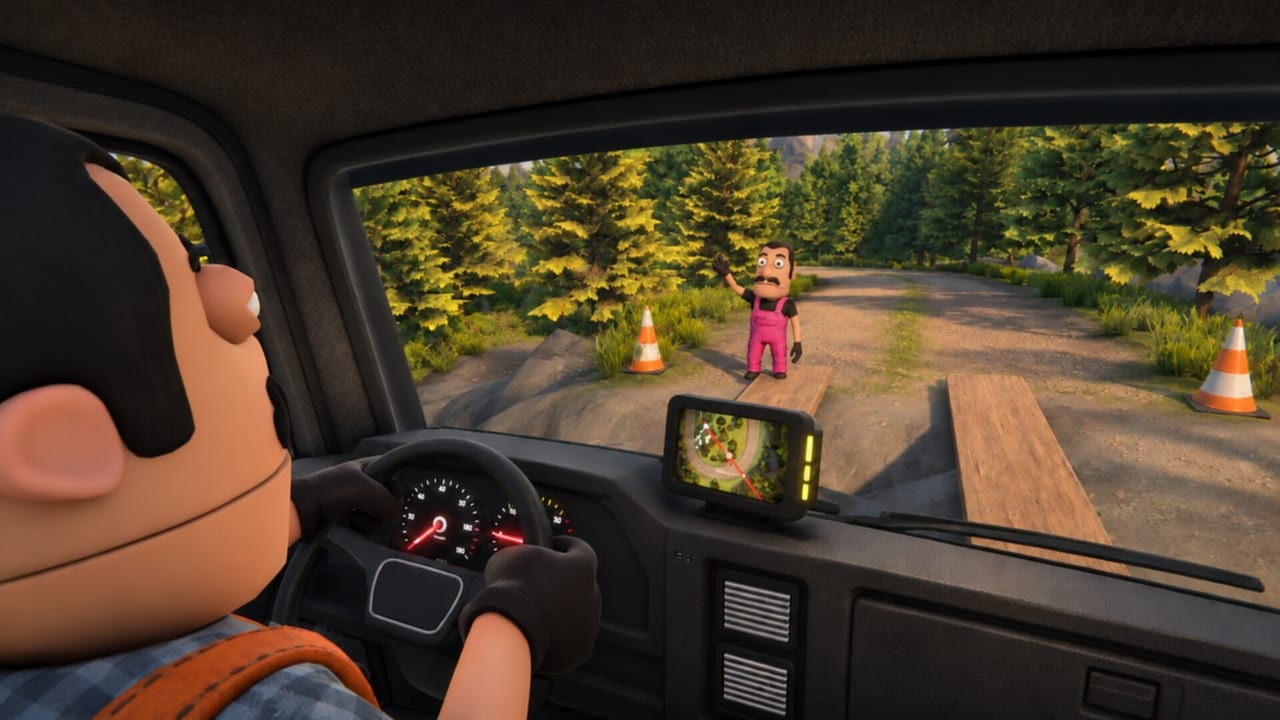
Carry On Together shines when a crew shares the same unstable sofa. This guide covers online multiplayer for 1–4 players, the solo option, lobby and invite habits, voice communication, and a practical driver-versus-carrier role split. It complements the Players Hub and the skill pages under the Guides Hub.
Treat Steam store status as upcoming until the full app unlocks. Practice on the free demo (Steam app 5338620) while the main game (app 4776500) waits on its release window and Steam approval timeline described in Release Status.
Session sizes that actually work
- Solo — Learn item pivots, stair timing, and truck packing without chat noise. Ideal before a party night.
- Duo — Classic two-person carries; one can drive while the other stages furniture, or both lift together on heavy pieces.
- Trio — Add a dedicated spotter or second carrier; doorways get crowded, so call clearances early.
- Full four — Fastest loading when coordinated; easiest to tip furniture or block each other without clear roles.
Pick a size that matches your voice chat discipline. Physics co-op fails more from silence and overlapping grabs than from raw difficulty.
Lobby, invites, and joining friends
Exact menu labels can shift between demo builds and the full release, so treat this as a playbook rather than a pixel-perfect UI tour:
- Launch from Steam with the same build as your friends (demo with demo, full game with full game).
- Host creates the lobby or job session and shares an invite through Steam’s usual friend overlay / invite flow.
- Friends accept and load into the shared session before you start hauling high-value breakables.
- Confirm everyone can move, grab, and see the truck before leaving the warehouse or first house.
Demo patch notes for 1.7 called out smoother multiplayer, late-join / reconnect style improvements that return a player to the job, lobby browser ping estimates, and host kick tools. Expect quality-of-life around rejoining after a disconnect to matter a lot in a physics game where one missing carrier strands a fridge on the stairs.
If someone cannot join, verify they own or installed the same product (demo vs full), restart Steam overlay invites, and check System Requirements so a low-end host is not the bottleneck.
Voice chat and callouts that prevent disasters
Use Discord (official invite) or another voice channel alongside Steam. Agree on short callouts:
- “Lift” / “Set” — Start or end a shared carry.
- “Corner left/right” — Rotation direction before a doorway.
- “Stairs clear” — Only climb when the path is empty.
- “Truck ready” — Driver is aligned and the bed is free.
- “Breakable” — Glass, toilets, or other fragile pieces need slower swings.
Demo 1.7 also added middle-mouse pinging plus redesigned job sheet (J), radar (X), and map (M) tools—use pings when voice is noisy. Keep one person as traffic control when four players talk at once.
Role split: driver vs carriers
Driver
- Park close enough for short carries, far enough that the truck does not block doors.
- Watch vehicle physics on hills and in town; demo and full-game regions add different routes and vehicles over time.
- Call when the bed is full or when a piece must wait outside.
- Read Driving Tips for route and packing habits.
Carriers
- Pair up on heavy furniture; mismatched timing flips sofas into walls.
- One player “owns” rotation while the partner matches walk speed.
- Clear paths: open doors, move small clutter first, stage long items last.
- Study How to Carry for two-person lift discipline.
Spotter (optional fourth role)
- Watches homeowners in demo content that includes reactive NPCs, calls tip risk, and keeps the radar/map updated.
- Prevents three people from grabbing the same chair.
Rotate jobs so the usual driver also practices carries. Crews that never swap roles struggle when the designated driver disconnects.
Communication rhythm per job
- Brief at the warehouse — Who drives, who pairs on the heaviest item, who watches breakables.
- Survey the house — One quick walk-through before lifting; note stairs and tight halls.
- Load in priority order — Large base pieces first or last depending on bed layout; agree before the first lift.
- Drive with a quiet cabin — Let the driver call hazards; carriers hold items only if the bed is unsafe.
- Unload with the same pairs — Do not invent new partnerships mid-delivery unless someone drops.
Solo option without losing progress mindset
Playing alone teaches physics that voice chat cannot. Use solo runs to:
- Learn Controls muscle memory.
- Test trampolines, inflatable mats, gas canisters, and other demo equipment introduced in later demo patches without peer pressure.
- Build a personal checklist you later enforce in co-op.
Then invite friends for the same job type. The Demo Guide and Getting Started pages close the loop for new crews.
Full-game regions and future co-op nights
The full release expands beyond the demo town into a highland village with animals and new vehicles, plus a high-tech city. More maps mean more driving roles and longer logistics chains—bookmark Updates for patch notes that change multiplayer feel after launch.
Quick co-op checklist
- Same Steam build for everyone
- Voice channel open before the first lift
- Named driver and named heavy-carry pair
- Ping + map keys agreed
- Kick/reinvite plan if someone desyncs
- Backup solo practice plan if the lobby falls apart
Keep this page next to the Players Hub whenever you rebuild a moving company of one to four. Physics is the boss; communication is the build.
Frequently Asked Questions
Quick answers for movers, drivers, and co-op crews.
How many players does Carry On Together support?
Online sessions support one to four players. Solo play is available when you want to practice without a full crew.
Can friends join after a job has started?
Demo 1.7 notes described late-join and reconnection support that returns a player to the job. Confirm behavior on your current build after each patch.
Do we need a separate voice app?
In-game tools help, but most crews use Discord or similar voice chat for lift timing and driving callouts. The official Discord is linked from the Links Hub.
Should one person always drive?
A stable driver helps, but rotate roles so carriers also learn truck handling and the usual driver can step into a two-person carry.
Demo or full game for multiplayer practice?
Use the free demo while the full Steam release is still upcoming. Everyone in the lobby must be on the same product.