Carry On Together Homeowners Guide
How Demo 1.7 clients greet, watch, tip, chase, and punish careless movers — and how to keep Picky Auntie calm.
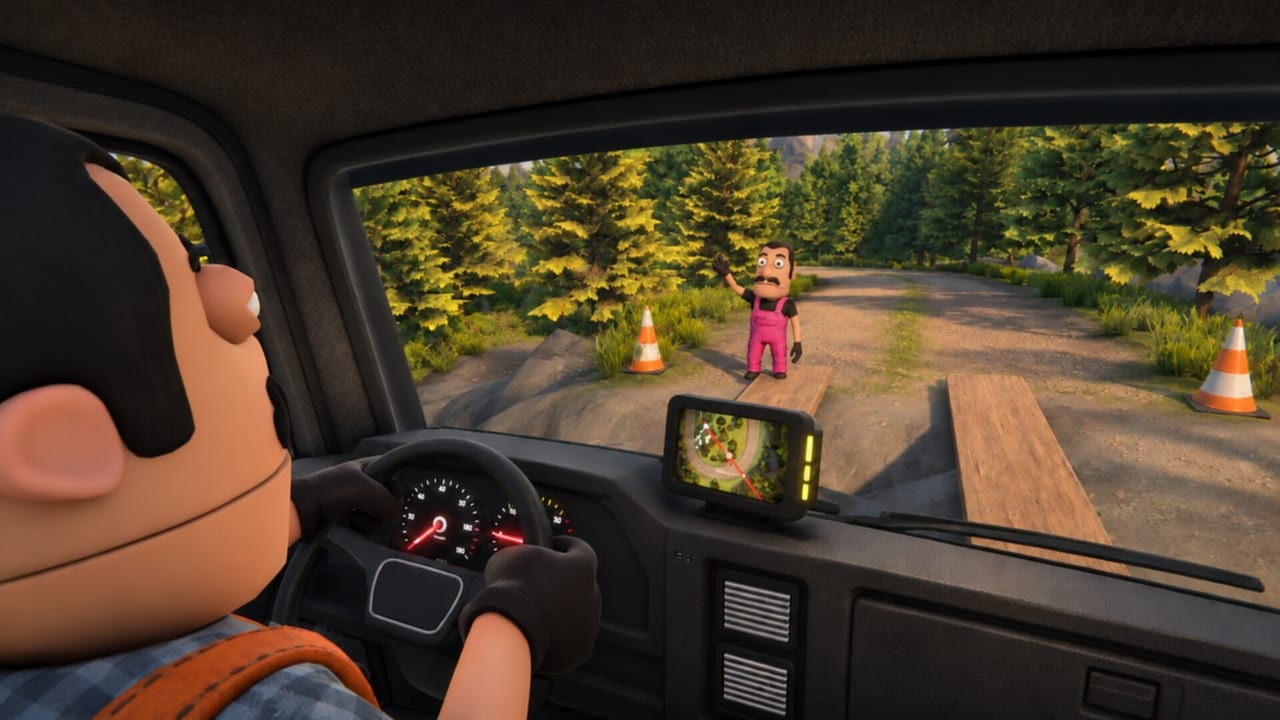
Before Demo 1.7 (“The Homeowners Have Arrived!” on 18 October 2026), Carry On Together houses often felt empty: you lifted, scraped, and yeeted without a client standing in the hallway judging every corner. That era is over. Homeowners now greet the crew, watch the entire move, and react when furniture hits walls, favorite pieces break, or boxes fly past their face. Happy clients tip better. Angry ones can chase you. Tips and damage now decide the receipt more than the clock, because 1.7 also removed the time bonus.
This page is the homeowner playbook for the free Steam demo. Pair it with the Demo Guide for the full 1.7 feature list, How to Carry Together for synced lifts, Equipment for mats and tools that prevent drops, Getting Started for the first-hour loop, Driving Tips for the truck half of the job, Demo Updates for patch context, and Multiplayer for crew roles while a client is staring.
Empty houses versus watched moves
Before 1.7
Early demo sessions rewarded theatrical chaos more than they do now. Without a living client on site, wall scuffs and thrown crates were mostly a physics joke and a quieter pay hit. Speed culture still made sense while a time bonus existed — finish faster, bank extra cash, laugh about the crater in the drywall later.
After 1.7
Every paid house is a stage with an audience. The homeowner:
- Greets you when you arrive.
- Stays present while you clear rooms, stairs, and elevators.
- Notices impacts, broken parts, and thrown cargo.
- Adjusts tip mood from that performance.
- Can escalate into a chase if anger builds far enough.
Treat the job as a service call, not a demolition derby. The comedy is still there — you just pay for it on the receipt and sometimes with a furious relative sprinting after the truck.
Tip economy after the time bonus died
With the time bonus gone, payout math leans on:
- Base job pay for completing the contract.
- Tips that scale with how happy the homeowner stays.
- Damage deductions when items or rooms take hits.
- Contract penalties when destruction crosses a worse threshold.
- Repair bills for specific disasters (toilets are the famous example).
Butiq Games has not published fixed tip percentages or a public favorite-item spreadsheet. Read the actual job receipt after each run instead of trusting a viral “always get 50% tip” claim. Your goal is simple: maximize tip mood and minimize damage, even if the clear takes a few minutes longer.
Crews that still sprint every corridor are optimizing a metric the current demo no longer rewards. Intact favorite furniture and a polite unload beat a five-second-faster finish with a shattered toilet and a tip of zero.
Personality types in the demo
Demo 1.7 introduces named clients with distinct vibes. Two you should expect to meet:
Picky Auntie
Picky Auntie is the high-pressure client. She notices cluttered paths, loud impacts, and anything that looks like disrespect toward her belongings. Assume she has favorite items you do not want to discover by breaking them. Around Auntie:
- Clear doors and stair landings before the first heavy lift.
- No throwing boxes “for fun” in her line of sight.
- Set pieces down cleanly instead of grinding them through plaster.
- Call stops early when a sofa starts to jitter — a three-second reset is cheaper than her mood crash.
Easygoing Uncle
Easygoing Uncle is more forgiving in tone, but he is still a watcher. Soft personality does not mean free destruction. Wall hits, broken parts, and thrown crates still register; they just may climb the anger curve more slowly than with Auntie. Use Uncle jobs to practice calm cadence, not to invent fridge missiles.
Both personalities reinforce the same rule: path first, lift second, comedy third — and only if the client is still smiling.
What keeps clients calm
Use this checklist on every homeowner job:
- Greet the space. Let the client intro play; do not barrel through the doorway with a wardrobe already airborne.
- Scout before grips. Open doors, check elevators, ping choke points with middle-mouse so the whole crew shares the plan (How to Carry Together).
- Protect favorites. When you are unsure which piece is special, treat fragile-looking or prominently placed items as sacred until you know otherwise.
- Level lifts. Sync grip → lift → walk → rotate → set. One player letting go early is a tip killer.
- Use soft landings. Inflatable mats and other gear from Equipment turn awkward lowers into controlled sets instead of floor impacts.
- Load the truck gently. A perfect hallway carry still fails if you bounce cargo off the tailgate; pack low and braced, then drive like the client is somehow still watching (Driving Tips).
- Unload with the same discipline. Destination placement is still part of the client’s story about your company.
Happy clients tip. That tip is now one of the cleanest ways to grow the company after 1.7.
What triggers rage and chases
Exact anger thresholds are not published. In practice, rage climbs when you stack:
- Repeated wall and doorway collisions with furniture.
- Broken parts on cargo or fixtures.
- Thrown boxes or theatrical yeets near the homeowner.
- Destroying high-cost props such as toilets (repair bill on you).
- Ignoring a favorite item until it is scrap.
When anger peaks, homeowners can chase the crew. That is both a comedy beat and a warning: you have already lost the tip war. Do not invent a “kite the Auntie for content” meta on a paid contract unless you accept a ruined receipt. If a chase starts, stabilize the remaining cargo, stop making new damage, and finish the job as cleanly as you still can.
Watch the client’s body language and voice reactions during the move. Early irritation is your cue to slow down, reset grips, and stop throwing.
Repair bills and damage that outlives the joke
Damage cuts normal job payment. Heavy destruction can add a contract penalty on top. Separate from those line items, some props create direct repair bills — break a toilet in a client’s house and your company pays to fix it. Gas canisters and other hazardous props can escalate a silly moment into an explosion; treat them as hazards on live jobs and save experiments for training.
A funny clip that costs the toilet repair plus tip collapse is not a profitable night. Record the Warehouse fails; keep client houses solvent.
Voice and emote etiquette while the client watches
Online co-op for up to four players means someone will always be tempted to narrate the disaster in voice chat. That is fine for coordination — call “stop,” “rotate,” and “set” clearly — but do not let voice chaos become movement chaos. Practical etiquette:
- Assign one path caller so four people are not rotating the sofa in four directions.
- Use pings instead of shouting over each other when marking a stuck corner.
- Save victory emotes and celebration until the receipt is safe.
- Hosts should kick griefers who treat every fridge as a missile; public lobbies are not a free pass to farm Auntie’s chase for laughs (Multiplayer).
The homeowner is part of the scene. Play to the audience you want tips from.
Practice in training, then take real jobs
Demo 1.7 added a training area on the lower floor of the Warehouse. Use it before you invite Picky Auntie into your skill curve:
- One-hand light boxes through doorways until grips are automatic.
- Two-player lift a heavy prop with a full grip → lift → rotate → set cadence.
- Place mats and intentionally lower items onto them.
- Learn the pallet jack turning circle and any trampoline or gear tricks from the hardware loop (Equipment, Getting Started).
- Only then take a live homeowner contract and prioritize zero favorite-item casualties over speed.
New players should skim Getting Started for the loan → truck → job spine, then return here for client-specific scoring. Patch history and further 1.7 notes live under Demo Updates. When the full game expands beyond the demo town into the highland village and high-tech city, expect more client personalities on the same tip-and-damage foundation — the habits you build now still apply.
Keep the homeowners happy, keep the toilets intact, and the company stays funded long enough for bigger contracts.
Frequently Asked Questions
Quick answers for movers, drivers, and co-op crews.
When did homeowners arrive in the Carry On Together demo?
Demo 1.7 on 18 October 2026, titled "The Homeowners Have Arrived!", added clients who greet you, watch the move, and react to damage and throws.
Who are Picky Auntie and Easygoing Uncle?
They are named homeowner personalities in the demo. Auntie is stricter about careful handling; Uncle is more relaxed, but both still react to hits, breaks, and thrown boxes, and both tip better when happy.
Does finishing fast still raise pay after Demo 1.7?
No. The time bonus was removed in 1.7. Tips from happy clients and low damage matter more than clearing a few seconds earlier.
Can homeowners chase the movers?
Yes. If anger builds from collisions, breakage, and thrown cargo, an angry homeowner can chase the crew. Exact thresholds are not published, so watch reactions and slow down early.
What happens if I break a toilet in a client's house?
The repair bill is charged to your company. That cost stacks with normal damage deductions and any contract penalties, and it also hurts tip mood.