Carry On Together How to Carry Furniture Together
Two-player physics lifts, tight interiors, homeowner tips, and Demo 1.7 equipment that keeps cargo — and contracts — intact.
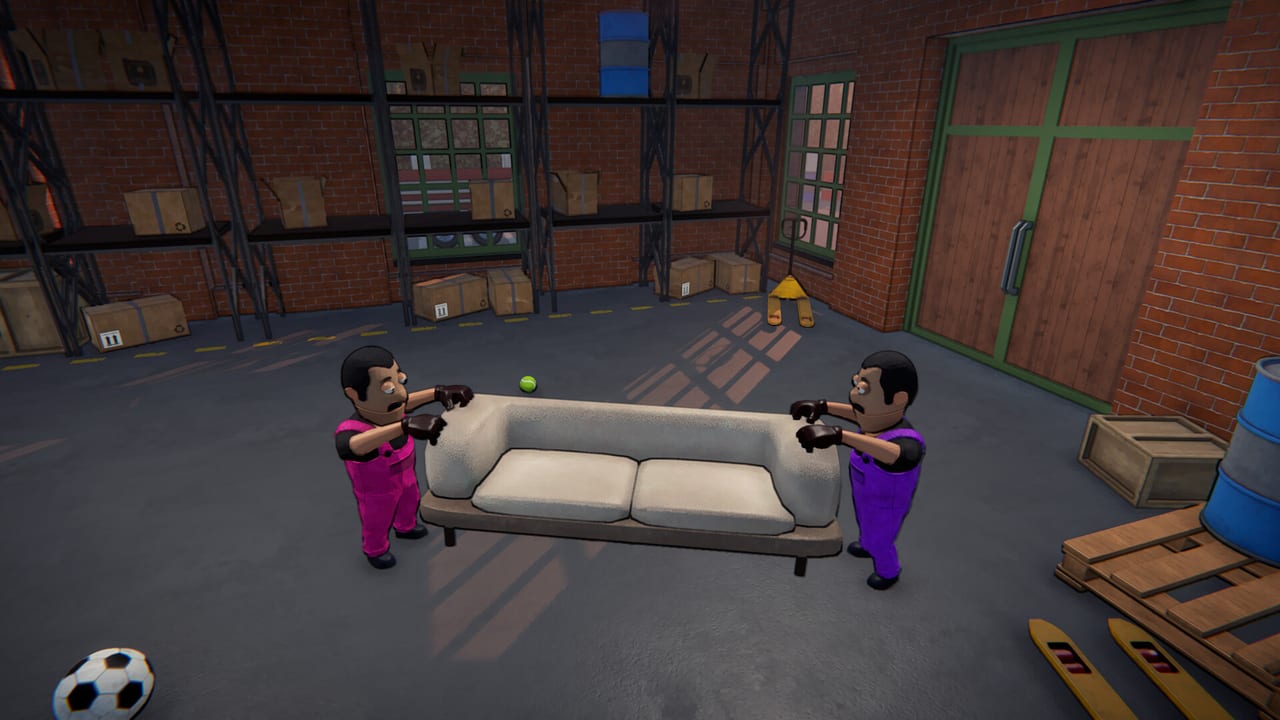
Some furniture in Carry On Together is simply too big to solo. The fantasy pitch is honest: stretch out your arms, sync with teammates, and lift couches, fridges, pianos, and giant boxes through hallways that were never designed for movers who also think yeeting is a valid strategy. This guide focuses on team carrying — the skill that separates a clean tip from a repair bill.
If you still need keybinds, read Controls first. If you are brand new to the company loop, start with Getting Started. For the road after the truck is packed, jump to Driving Tips.
Why shared lifts exist
The physics system expects two or more players on heavy pieces. One person can shuffle light boxes; the same person forcing a sofa around a corner alone is how walls get scuffed and homeowners lose their patience. Online co-op for up to four players (plus a solo mode) means you can scale the crew to the furniture, not the other way around.
Demo patches repeatedly targeted two-player carry bugs — sudden launches, jitter, and characters clipping into items. Even with those fixes, play as if a desynced step can still buck a wardrobe. Stability comes from communication more than from hoping the latest patch made physics perfectly polite.
Pre-lift checklist
Before anyone grips:
- Scout the path. Open doors, clear small clutter, and decide whether stairs or an elevator is the safer vertical route.
- Assign roles. Lead lifter watches the front corners; rear lifter watches trailing edges and calls stops.
- Ping the choke points. Middle-mouse ping the door frame, stair turn, or elevator lip that usually clips furniture.
- Confirm grips. Light props can be one-handed; heavy props need a committed two-hand grip from each lifter who is on the piece.
- Agree on a set-down spot if the angle fails. Putting an item down cleanly is cheaper than grinding it through plaster.
Open the job sheet (J) so everyone knows which pieces are still outstanding. Radar (X) helps when the rear lifter loses sight of the lead around a corner.
Syncing the lift
Call a simple cadence:
- “Grip” — everyone applies the correct one-hand or two-hand grab.
- “Lift” — stand together so the piece rises level instead of tilting into a light fixture.
- “Walk” — short steps only; no sprinting mid-carry unless the crew deliberately clears a long hallway.
- “Rotate” — rotate in place before a doorway rather than discovering mid-threshold that the sofa is sideways.
- “Set” — lower together. One player letting go early is the classic comedy fail and the classic tip killer.
If the item starts to spin or jitter, stop walking. Reset grips. A three-second pause beats a cracked favorite item — especially with Demo 1.7 homeowners watching.
Corridors, stairs, and elevators
Corridors
Narrow hallways punish wide furniture. Lead with the long axis aligned to the corridor when possible. If a turn is too tight, reverse to a room with space, rotate, and re-enter. Forcing a corner with raw strength is how you farm wall-hit reactions from Picky Auntie.
Stairs
Slippery or tight stairs are called out in the game’s own marketing for a reason. Keep the uphill lifter communicating every step. Set the piece down on landings to rest and re-square the angle. Never let the downhill player “speed it up” — gravity plus physics grips is already enough chaos.
Elevators
Fitting a sofa into an elevator is a signature disaster location. Measure twice: doors open, piece rotated, crew inside without trapping a trailing leg in the door. If it will not fit, take the stairs with planned set-downs rather than wedging until something breaks.
Garden gates, multi-story offices, and suburban layouts each add their own choke points. The rule is identical: path first, lift second.
Damage, tips, and why speed is overrated now
Demo 1.7 changed the scoring vibe in two important ways:
- Homeowners greet you, watch the move, and react to wall hits, broken parts, and thrown boxes. Personalities such as Picky Auntie and Easygoing Uncle each have favorites. Keep them happy for bigger tips; anger them enough and they come after you.
- The old time bonus was removed. Guides or videos that tell you to sprint every contract are outdated for the current demo. Intact cargo and calmer clients beat a finish that is five seconds faster and one toilet poorer.
Damage reduces pay and can add contract penalties. Break a toilet in a client’s house and the repair bill is on your company. Gas canisters can explode — treat them as hazards, not toys, unless you are deliberately testing physics in the training area.
Throwing boxes might be funny in the Warehouse; throwing them past a watching homeowner is how tips evaporate.
Equipment that makes carrying saner
Demo 1.7 added a hardware store presence in the Warehouse and in town, plus training props on the Warehouse lower floor. Useful tools include:
- Inflatable mats — place them where a controlled drop or awkward lower is safer than a hard floor impact.
- Trampolines — another vertical or bounce tool for creative (and sometimes chaotic) traversals; practice in training before you invent a client-house stunt.
- Pallet jack — move compatible loads with less raw arm drama; learn its turning circle in the Warehouse before a live hallway.
Buy what your company budget allows after early jobs. You do not need every gadget on the first contract, but knowing the shop exists stops desperate mid-job improvisation.
Also respect environmental surprises: explosive canisters and breakable toilets are part of the demo’s “new equipment and surprises” pitch. Scan rooms before you start yeeting.
Solo versus duo versus full squad
- Solo: Stick to jobs and pieces you can legally one-person. Use mats and the pallet jack where they apply. Accept that some heavy showcase furniture is tuned for co-op.
- Duo: The sweet spot for learning sync. One lead, one rear, constant pings.
- Trio or four: Specialize — two on the heavy lift, one clearing doors and elevators, one staging the truck bay. More hands help, but only if someone still calls the path.
Public lobbies show estimated ping; prefer Steam friends when you want fewer random drop-outs mid-sofa. Hosts can kick griefers who think every fridge is a missile.
From house to truck without undoing your work
A perfect corridor carry still fails if you bounce the piece off the tailgate. At the truck:
- Set the item down on stable ground.
- Use E at the tailgate to slide cargo in (Controls).
- Pack low and braced so the first corner does not rewrite your inventory.
- Hold-close the gate when needed before you celebrate.
Then the job becomes a driving problem — hand off to Driving Tips and keep passengers from “helping” the steering wheel.
Practice plan (15 minutes)
In the Warehouse training area from the Demo Guide / Getting Started loop:
- One-hand a light box through a doorway.
- Two-hand a heavier prop with a partner; practice grip → lift → rotate → set.
- Place a mat and intentionally lower an item onto it.
- Run the pallet jack through a tight turn.
- Carry one piece to a truck stand-in and rehearse tailgate E.
Repeat until nobody needs to ask which button grabs. Then take a live homeowner job and prioritize zero favorite-item casualties over speed.
Carry together on purpose, not by accident, and the company stays solvent long enough to see the highland village and high-tech city when the full game unlocks.
For a dedicated gear deep-dive, open the Equipment Guide and keep clients calm with the Homeowners Guide.
Frequently Asked Questions
Quick answers for movers, drivers, and co-op crews.
Do heavy items always need two players?
Heavy furniture is designed for coordinated multi-player lifts. Light boxes can often be handled alone, but sofas, fridges, pianos, and oversized crates expect teamwork.
How do homeowners affect carrying?
They watch the move and react to hits, breakage, and thrown boxes. Happy clients tip more; angry ones punish you. Favorite items matter.
Is finishing fast still important?
Less than before. Demo 1.7 removed the time bonus, so avoiding damage usually beats a slightly faster clear.
What equipment should I learn first?
Practice the pallet jack, inflatable mats, and trampolines in the Warehouse training area, then buy what your budget allows from hardware stores.
What is the biggest team-lift mistake?
One player letting go or sprinting mid-carry in a tight corridor. Agree on grip, path, and set-down calls before you lift.